Fashion as a universal language, heritage as a contemporary attraction: the Katti Zoób Fashion & Museum’s exhibition awaits visitors at the Esterházy Palace in Fertőd.
“I believe Fertőd is still an inviting gateway to Hungary, and I hope this exhibition will help us usher fashion lovers through that gateway,” said Kati Zoób during the guided tour of Közös (“Shared”), presented at the Esterházy Palace. This remarkable collection is essential viewing for anyone passionate about fashion, yet it offers a captivating experience to all who feel even the slightest pull toward beauty.
Distant lands and long-gone eras speak through woven threads: the shared language of fashion invites visitors on a dazzling journey across time and space.
Let Us Embark on a Journey
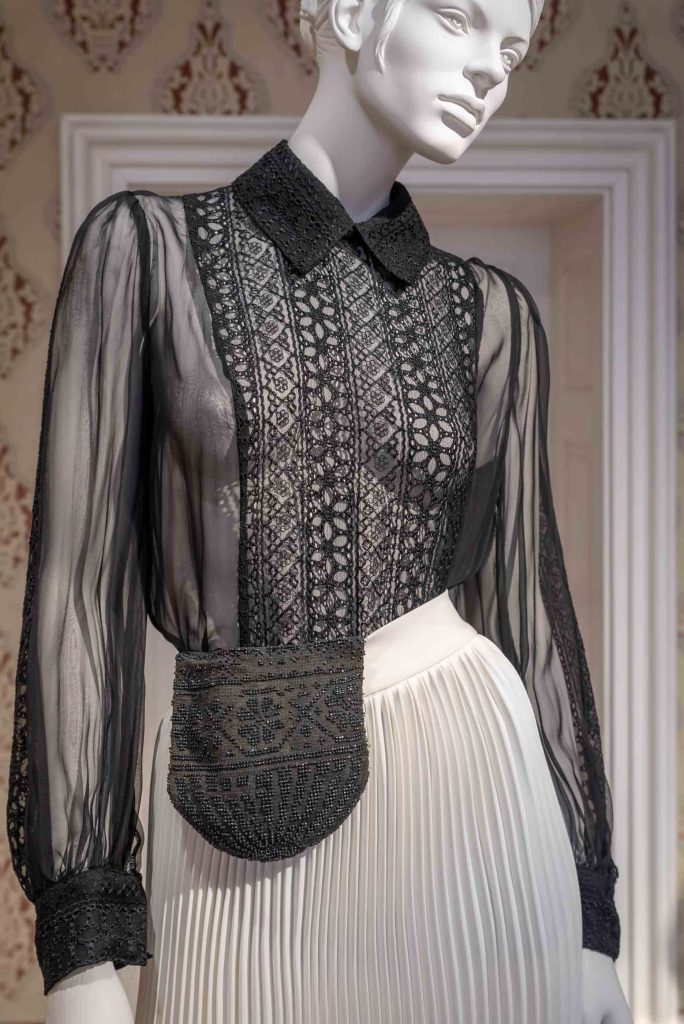
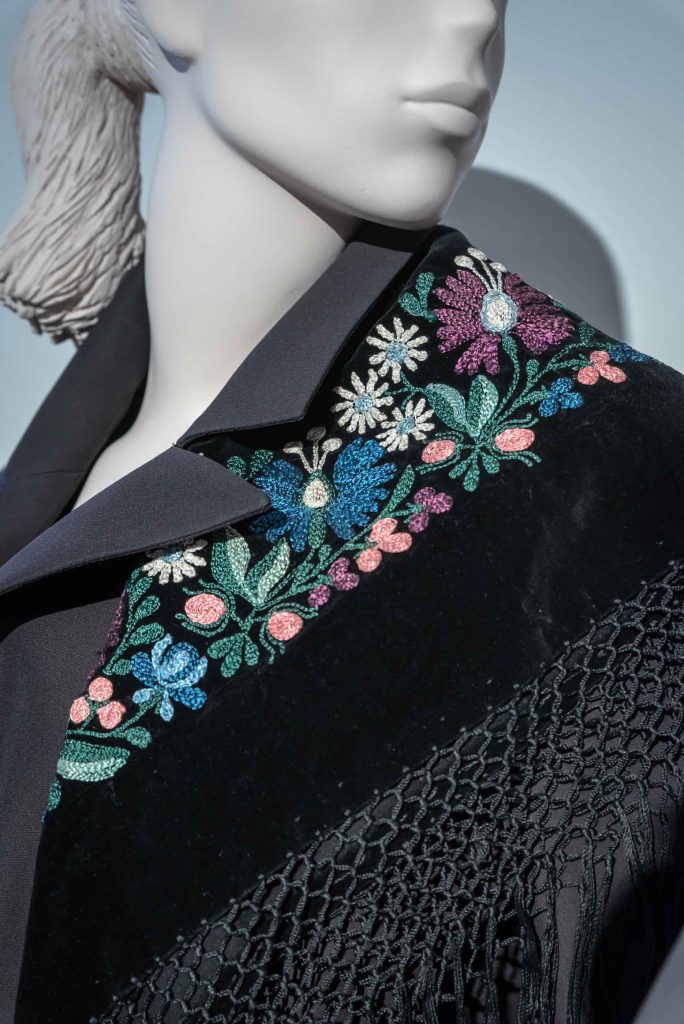
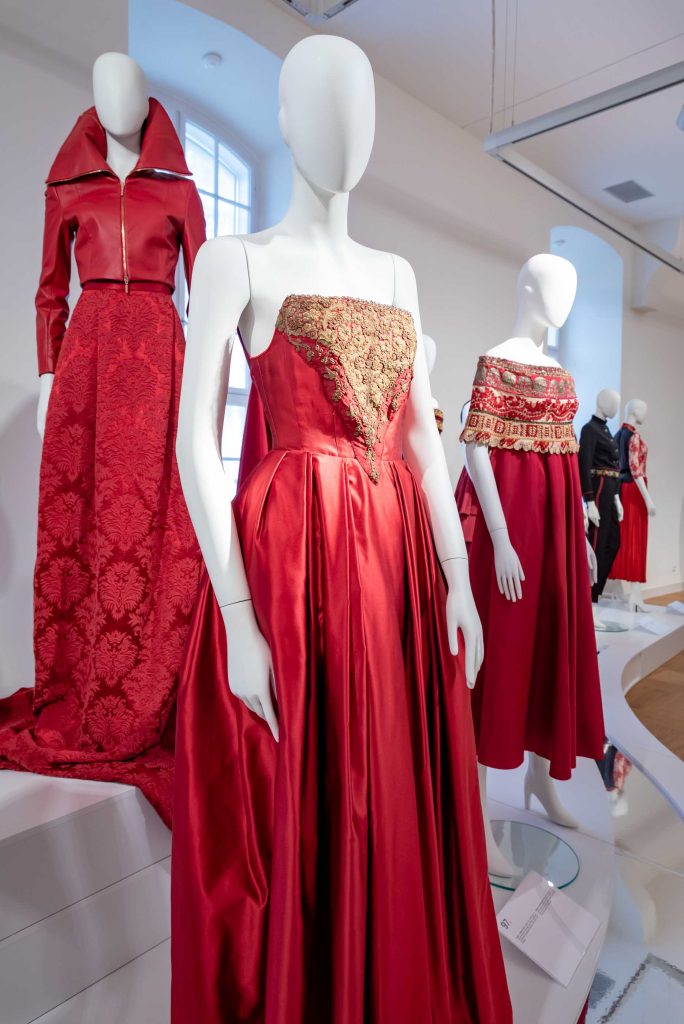
And indeed—from China to Kalotaszeg, from the textile artistry of the weavers of Lyon to the flapper dresses of the Jazz Age – the exhibition offers a uniquely immersive passage through the world of craftsmanship and the history of style, all while keeping a thoughtful eye on the trends shaping contemporary fashion.
Craft traditions are a shared cultural treasure—one we honour most faithfully when we allow them to become part of our everyday lives. From this idea emerges a new wave of creativity: fusion fashion, which blends traditional motifs with a distinctly modern aesthetic. The meeting of styles sparks the imagination, transcends cultural boundaries, and opens new paths of self-expression as we carry our heritage into the present.
The fusion of antique and modern, folk and urban pieces brings a fresh dynamism and a deeply personal tone to contemporary dressing – and this exhibition offers an inspiring guide to that creative journey.
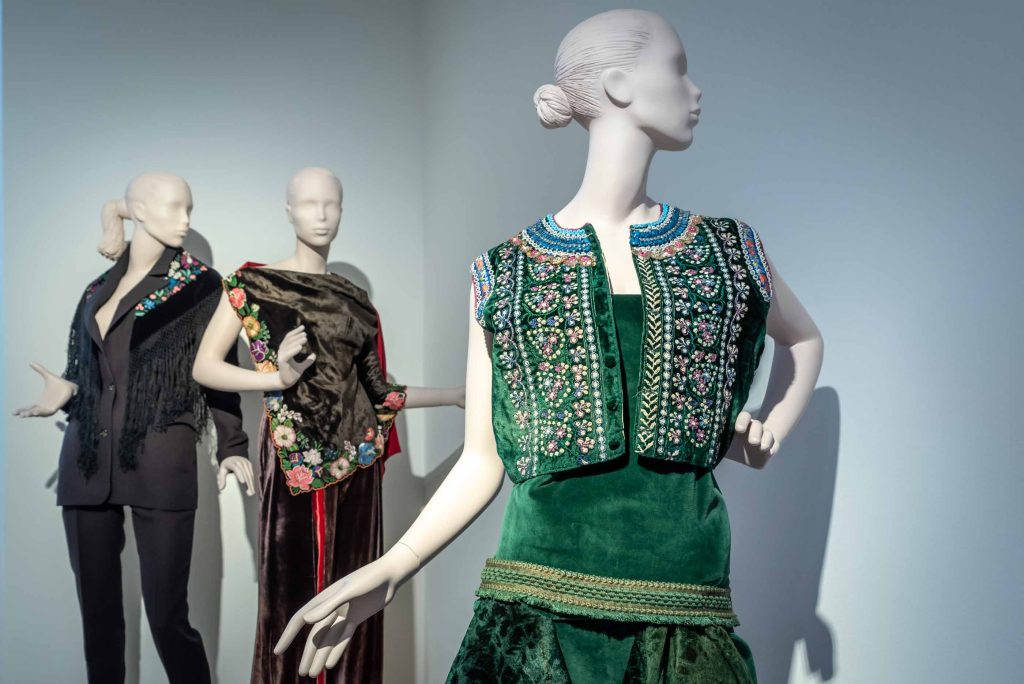
The Wearable Past and Future
The exhibition presents 120 ensembles arranged in thematic sections, guiding visitors like a living fashion lexicon through the most captivating chapters of textile and costume history. It invites you on a journey back to the late 18th and early 19th centuries, when artisanal crafts and techniques were still deeply woven into everyday life – when nearly every homemaker knew the art of needle embroidery, and young unmarried women prepared their own trousseau.
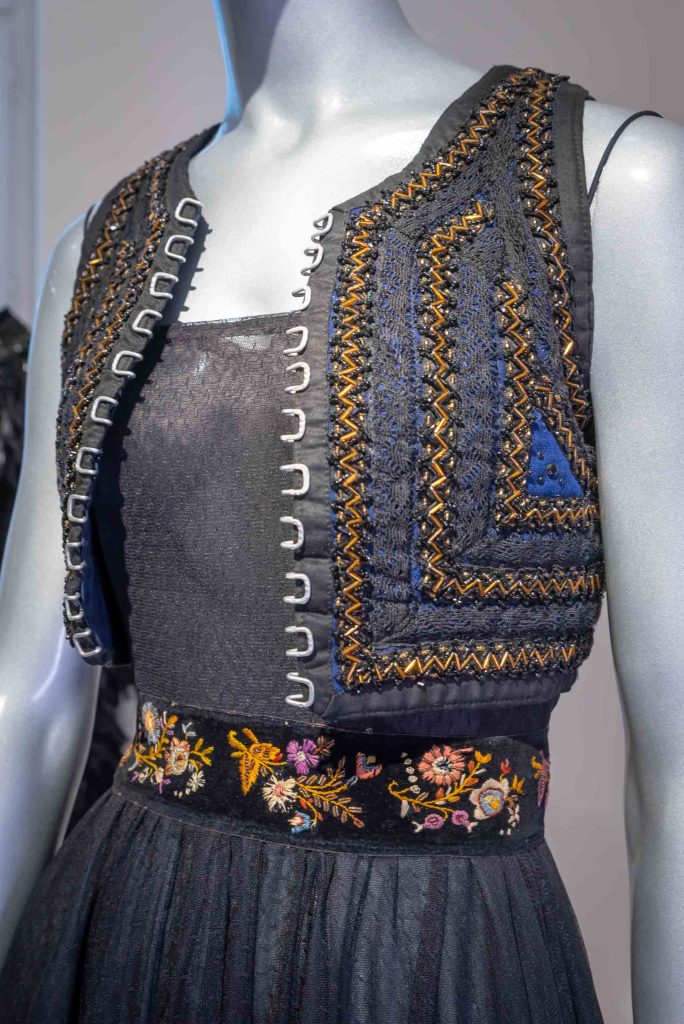
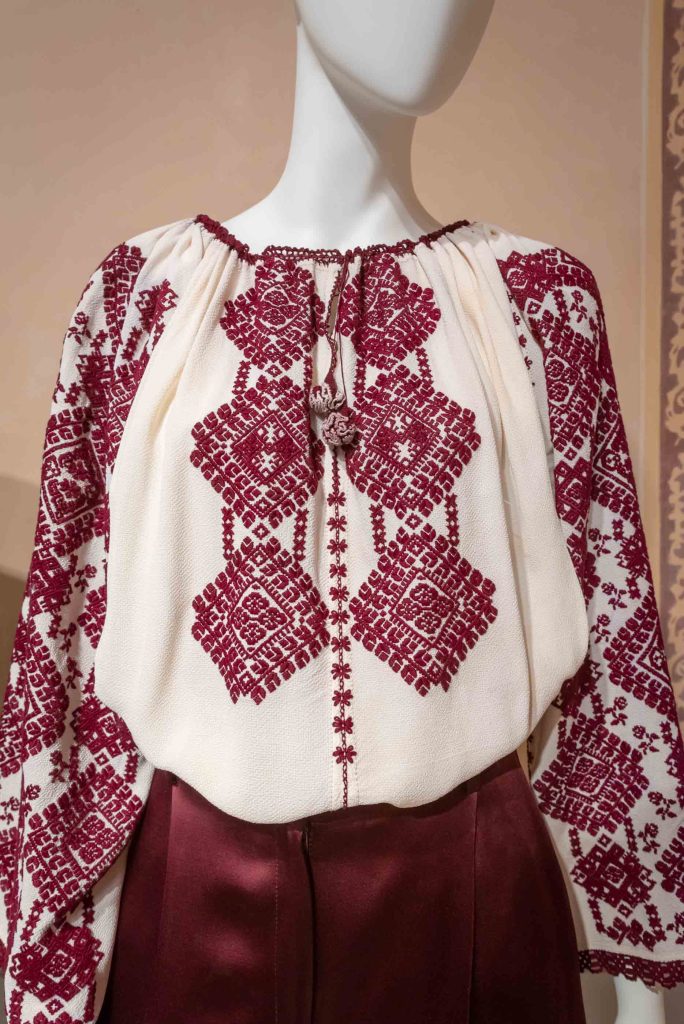
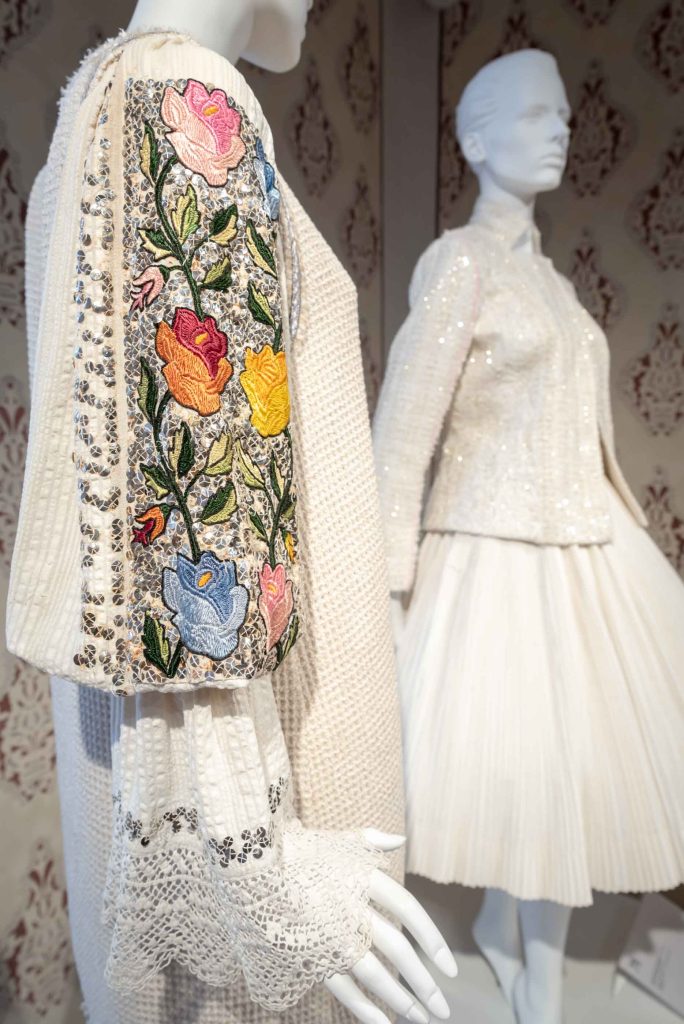
Storytelling plays a central role throughout the thematic spaces: each decorative technique that appears on the garments recalls the traditions of the crafts, even as it is reimagined through a contemporary lens. Visitors can also glimpse the creative process through which artisanal knowledge and modern design sensibilities reinforce one another to form an entirely new visual language.
Contemporary garments crafted from antique textile fragments give new meaning to materials of the past, while the reinterpretation of folk and ethnic dress reveals how tradition can become a living source of inspiration – preserving its essence while shaping a fresh vocabulary for the future.
The exhibition is both a tribute to the craftsmanship of earlier eras and a reflection on today’s sartorial trends: a reminder that tradition is not a closed chapter, but a wearable future.
The exhibition’s principal cultural sponsor is Szerencsejáték Service Nonprofit Ltd.
The exhibition is on view at the Esterházy Palace in Fertőd.
Opening hours:
Tuesday–Sunday: 10:00–17:00
Ticket desk: 9:30–16:30
For further information and ticket purchase: eszterhaza.hu